
Past Stories
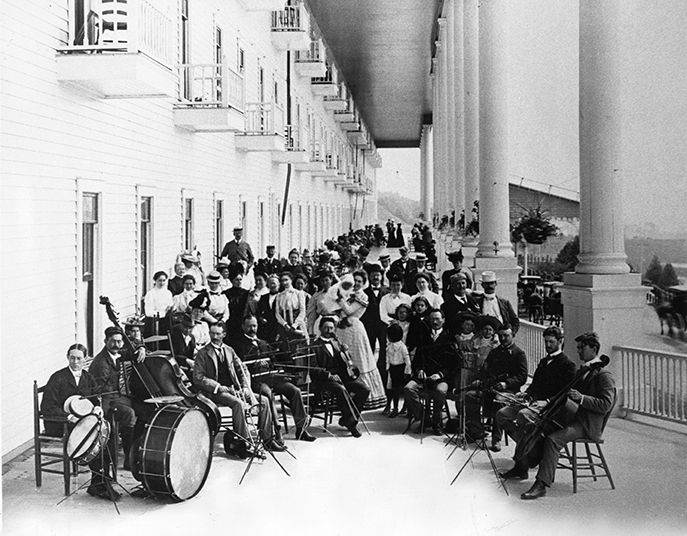
Grand History in the Making
Sandwiched between Michigan’s Upper and Lower Peninsulas is a legendary hotel with more than 130 years of memorable moments.
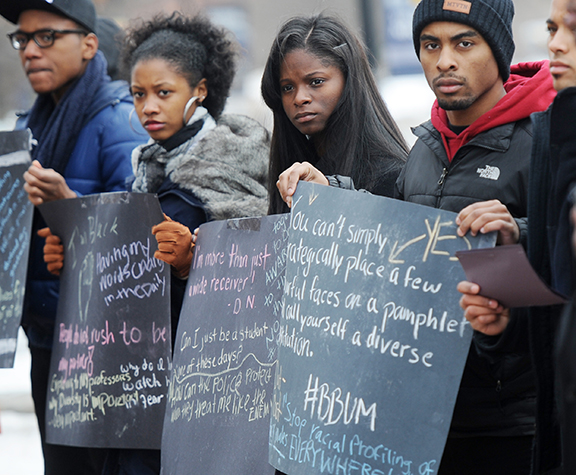
Being Black at U-M
The Austin McCoy collection reveals the origins of the Being Black at Michigan (#BBUM) movement and tells a story of activism and social justice that is still ongoing.
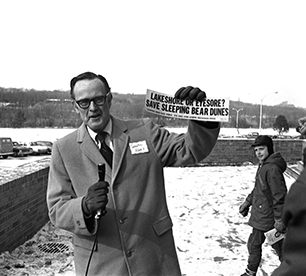
In Defense of Nature
Collections at the Bentley reveal how Michigan went from overwhelming natural abundance to an environmental wasteland — and how some unlikely people helped bring it back.
Changing the Question
Why are "those people" so sensitive about their history and identity? It’s a question that is based on a historical myth, namely the belief that group integration into mainstream American society has been, and still is, easy.
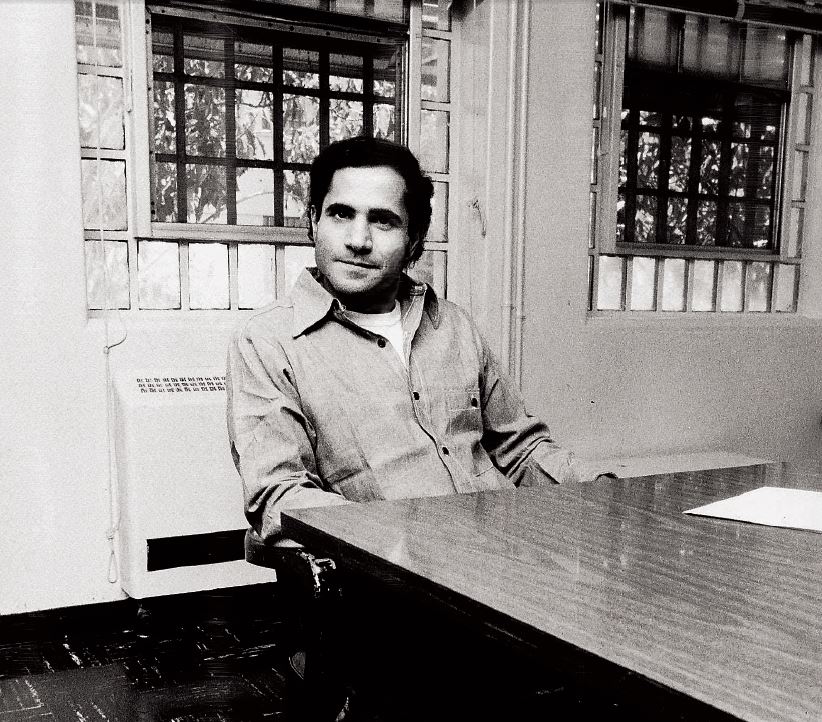
Defending Sirhan Sirhan
Abdeen Jabara helped defend the man who assassinated Bobby Kennedy in 1968. Here, he discusses his newly opened papers at the Bentley and more about the context of the case.
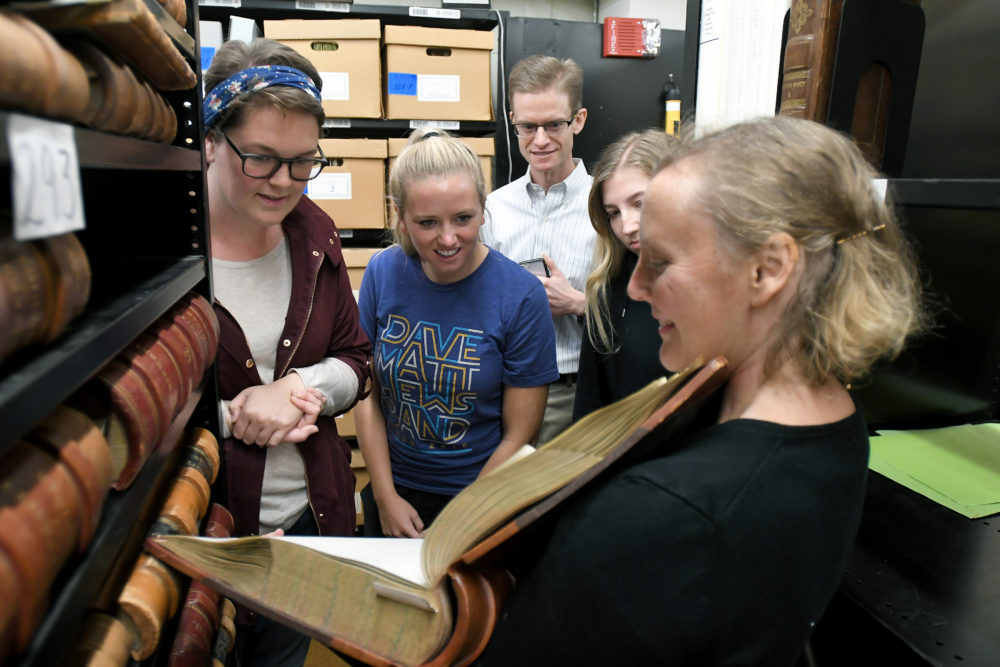
Teaching Undergraduates with Archives
In an upcoming fall symposium, the Bentley will explore how evidence from the past impacts today.
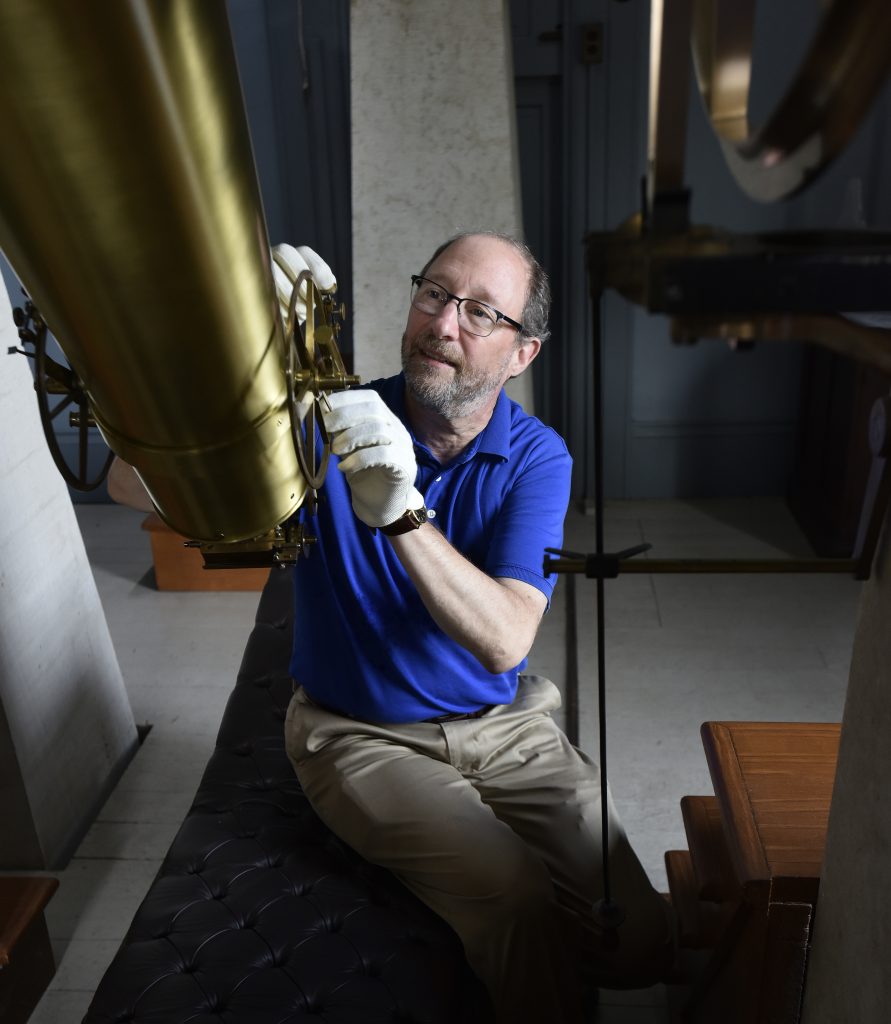
Beyond the Bicentennial
Gary D. Krenz, formerly the Executive Director of the University of Michigan Bicentennial Office, has been appointed Director for Post-Bicentennial Planning at the Bentley Historical Library. Here, he talks about what he hopes to achieve in this new role.
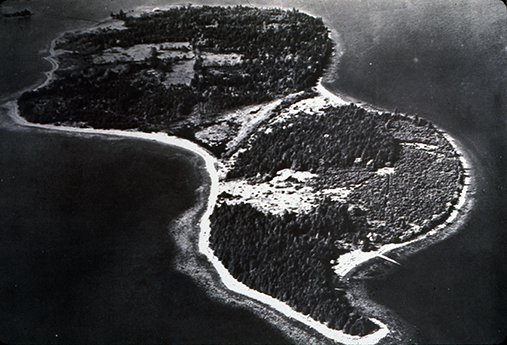
On the (Treasure) Hunt
Ross J. Wilhelm was an esteemed professor of business economics at the University of Michigan. So why, then, does his collection at the Bentley Historical Library contain folders full of strange symbols and ciphers, complex drawings and codes, and references to an obscure 16th century text?
Soldiers and Warriors
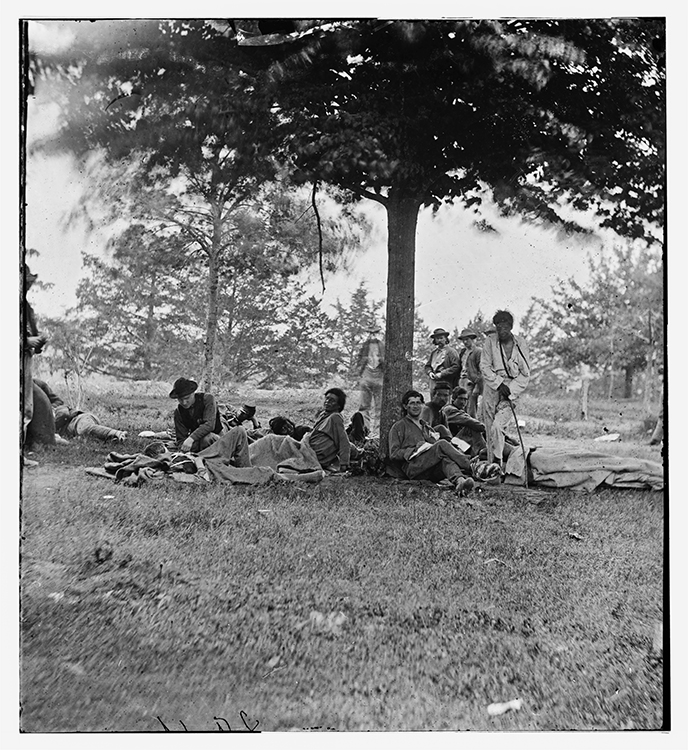
Among the 20,000 American Indians who fought for the Union and the Confederacy during the Civil War, a single company from Michigan was made up almost entirely of indigenous men. A researcher used Bentley archives to trace their history and share the story of the Anishinaabeg of Company K.
Panther by the Tail
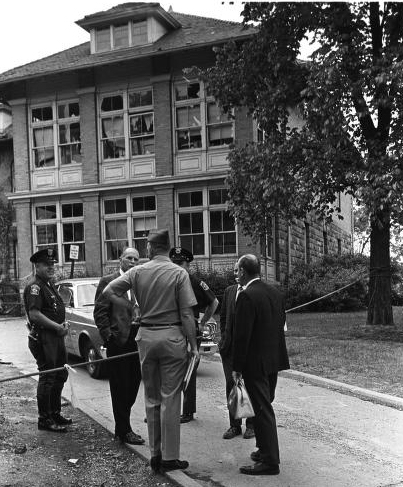
When three members of the White Panther Party were accused of setting off bombs across Southeast Michigan, their case hinged on a crucial detail: Evidence was acquired through wiretapping without a warrant. The case made it all the way to the Supreme Court and, today, collections at the Bentley document the details of this historic ruling.
Showing 10 of 182 results