
by Lara Zielin
When U-M senior Shirley Rivas walked into the Bentley as part of Maria Cotera’s Latina Practices of Oral History course, she’d never been in an archive before. She’d never filmed a person’s oral history and most definitely she’d never been part of contributing to a digital archive. But all those things—and many more—happened during Cotera’s class, which focused on uncovering, documenting, and archiving Chicana/Latina activism in the 1960s and ’70s.
“This course taught me more than I ever thought I’d know about the process of archiving materials and recording history,” Rivas wrote in her final assessment in an online blog. “[W]e did something about the systemic exclusion of a few women’s histories and…students were given the power to create history.”
The course helps expand documentation about Chicana political and cultural activity, especially during the Civil Rights era.
“Few history books include women or Chicanas,” Cotera explains. “The activism of these women has largely been left out of the historiography of the Civil Rights era.”
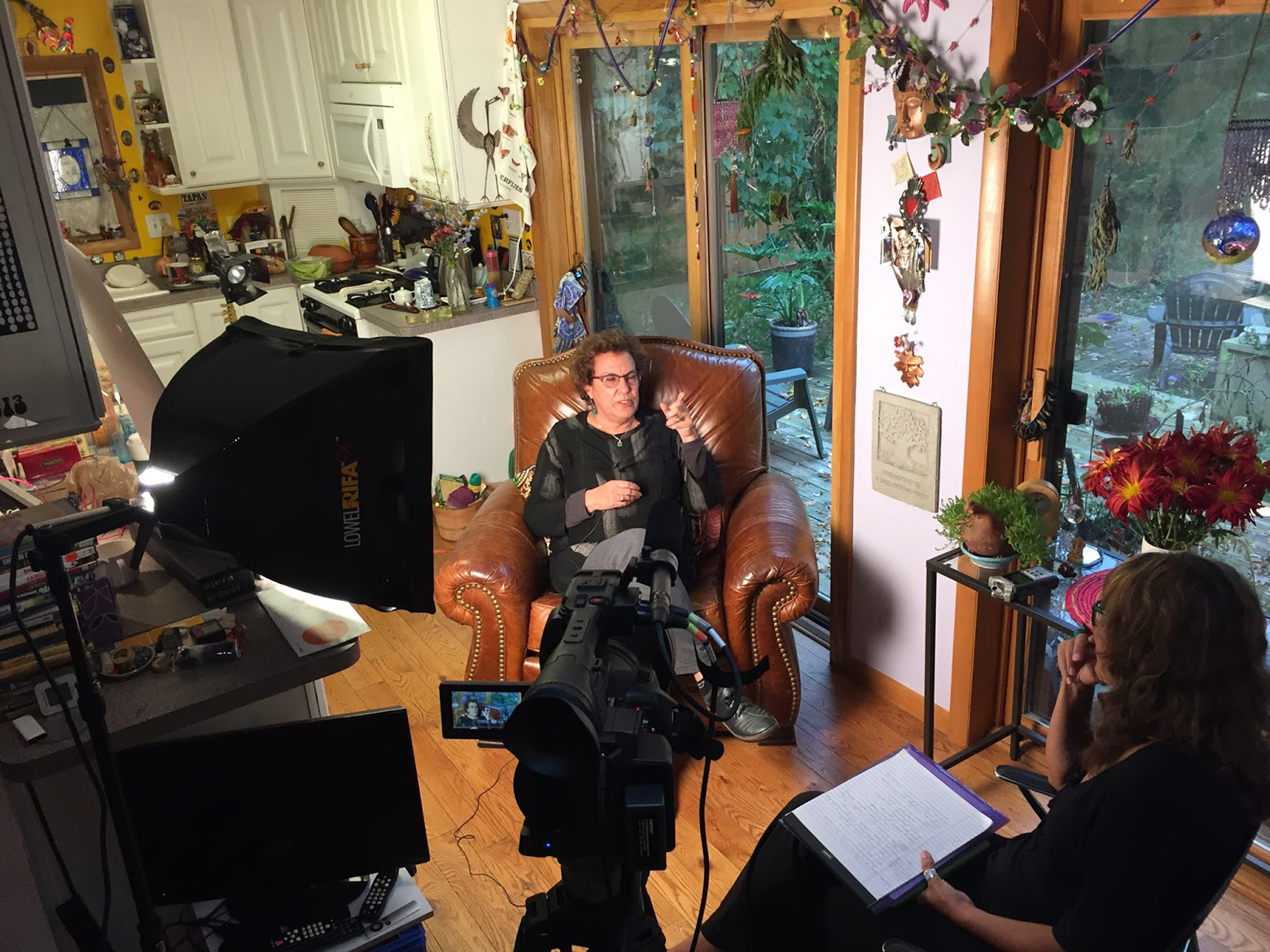
As part of her coursework, Rivas recorded the oral history of a woman named Juana, and also helped scan historical items that were residing in Juana’s drawers and closets—not perceived, until now, as having historic value.
Before jumping in, Rivas and her classmates came to the Bentley for a two-hour in-depth workshop about archiving materials. “Many of them were going to be handling archives in a person’s home for the first time,” Cotera says, “and the workshop helped them get a clearer picture of how institutional archives are handled. It also taught them how to follow clues an archival document might give them—what they could find out about a flier that doesn’t have a date on it, for example.”
The class’s Bentley visit also showcased the limitations of archives in recording underrepresented histories. “The archive is alive and well for the wealthy, the elite, and the knowing,” one student wrote in his online analysis. “It is because of these inaccessible qualities that we get that difficult feedback loop where those interpreting the archive are those very same minds and bodies that are appraising what goes in the archive in the first place.”
In spite of the challenges, the students were able to catalog, describe, and tag their archival materials, then upload them into Chicana por mi Raza, a digital repository documenting the development of Chicana feminist thought during the Civil Rights era (chicanapormiraza.org). The materials are now available to scholars, teachers, and community members.
“Even though many students remained critical of the way history is told to us, they also came to appreciate history, and were astounded to uncover a history they knew nothing about,” Cotera says.